News & Insights

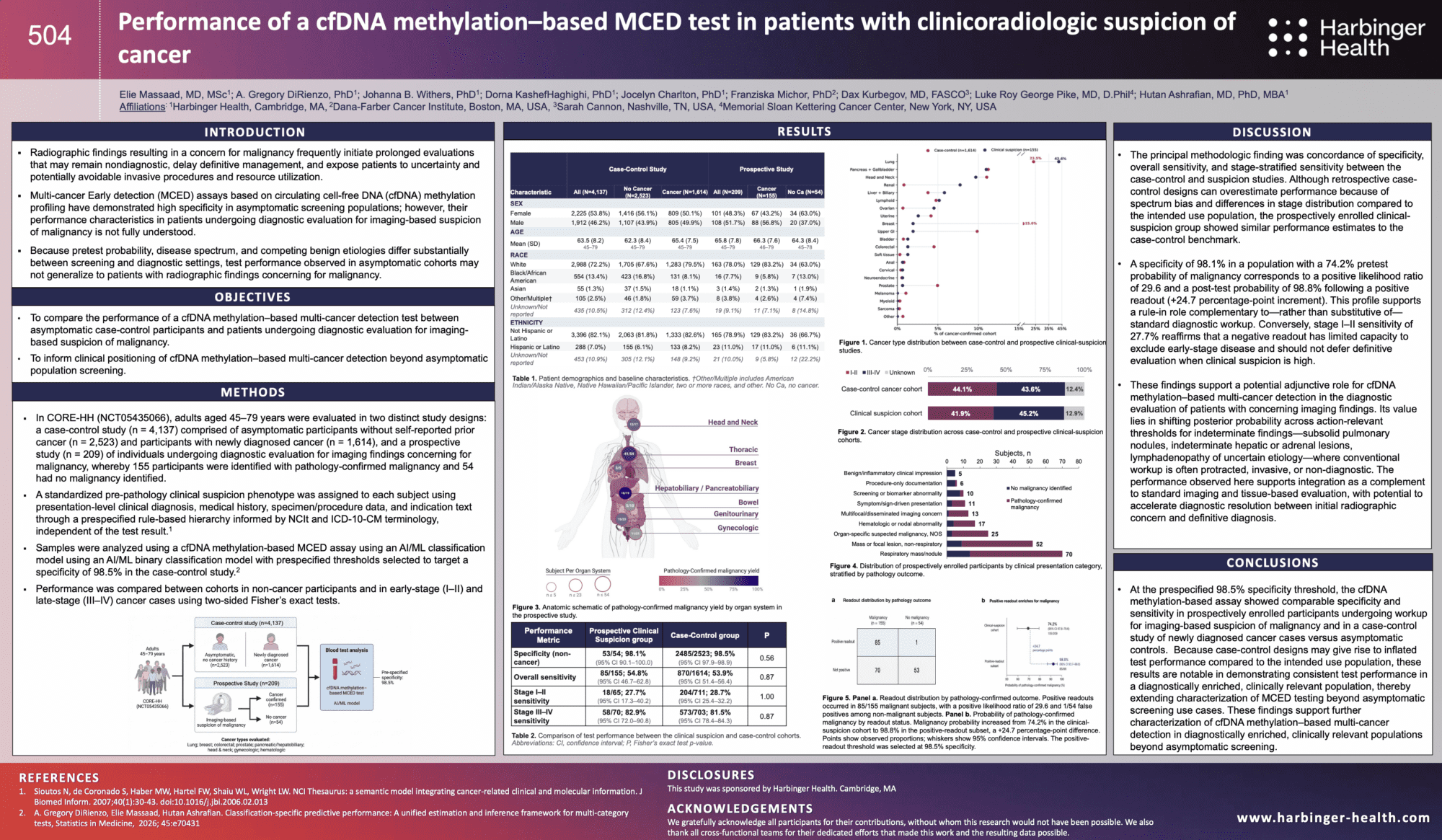
Performance of a cfDNA methylation–based MCED test in patients with clinicoradiologic suspicion of cancer

ASCO Annual Meeting 2026

Radiographic findings suspicious for malignancy can trigger prolonged, inconclusive diagnostic workups, and the performance of cfDNA methylation–based MCED assays in this diagnostic setting remains less well characterized than in asymptomatic screening populations. This study found that, at a prespecified 98.5% specificity threshold, the Harbinger assay showed comparable specificity and sensitivity in patients undergoing imaging-based malignancy workup and in a case-control study of newly diagnosed cancer cases versus asymptomatic controls, supporting further evaluation of MCED testing in diagnostically enriched, clinically relevant populations beyond asymptomatic screening.
Read More

News & Insights

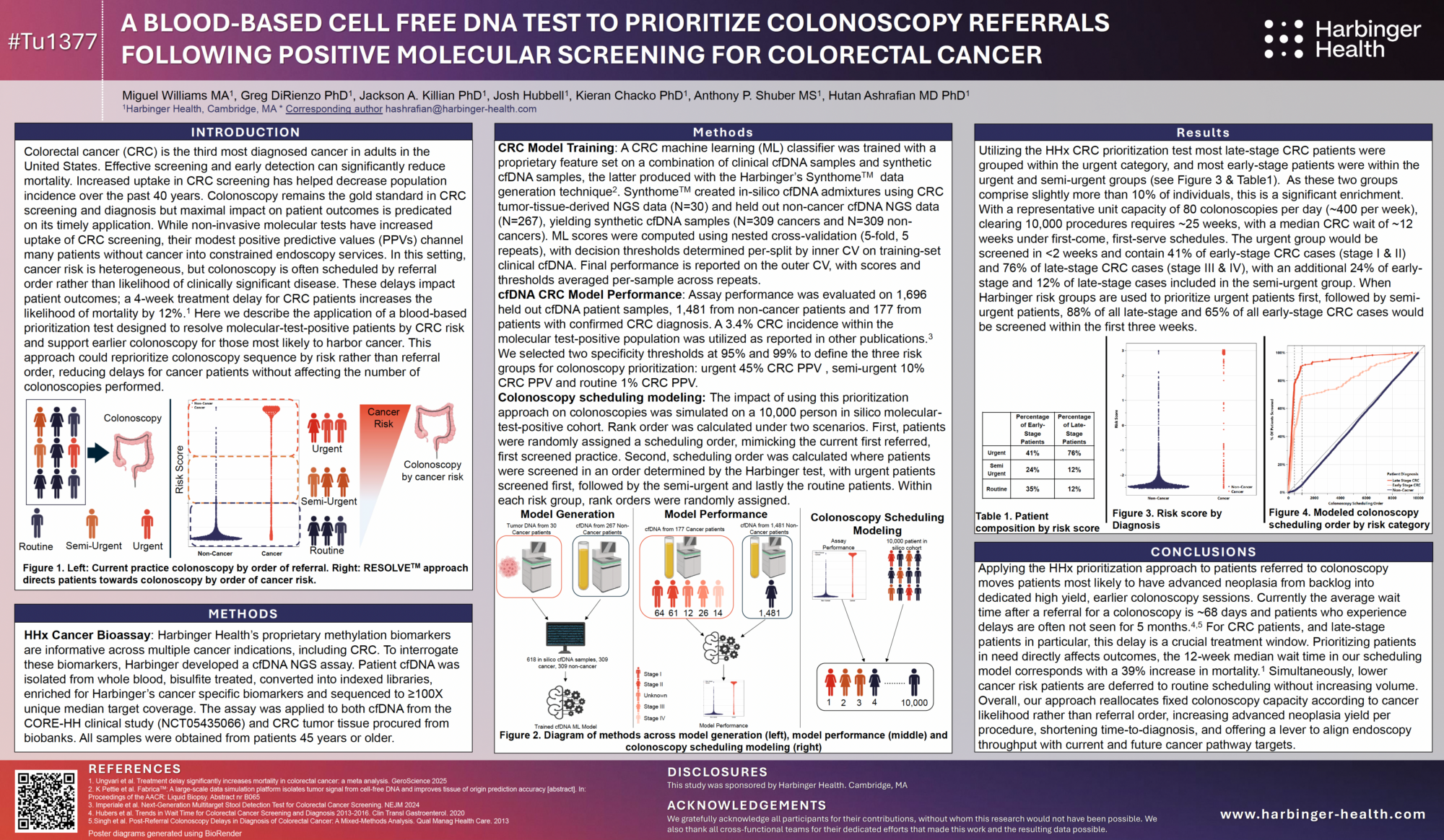
A blood-based cell free DNA test to prioritize colonoscopy referrals following positive molecular screening for colorectal cancer

Digestive Disease Week (DDW) 2026

This study describes the use of a blood-based prioritization test that stratifies molecular-test-positive patients by colorectal cancer risk to help identify those who may benefit from earlier colonoscopy. This strategy could shift colonoscopy scheduling from referral order to risk-based prioritization, reducing delays for patients most likely to have cancer without increasing the total number of procedures performed.

Read More

News & Insights

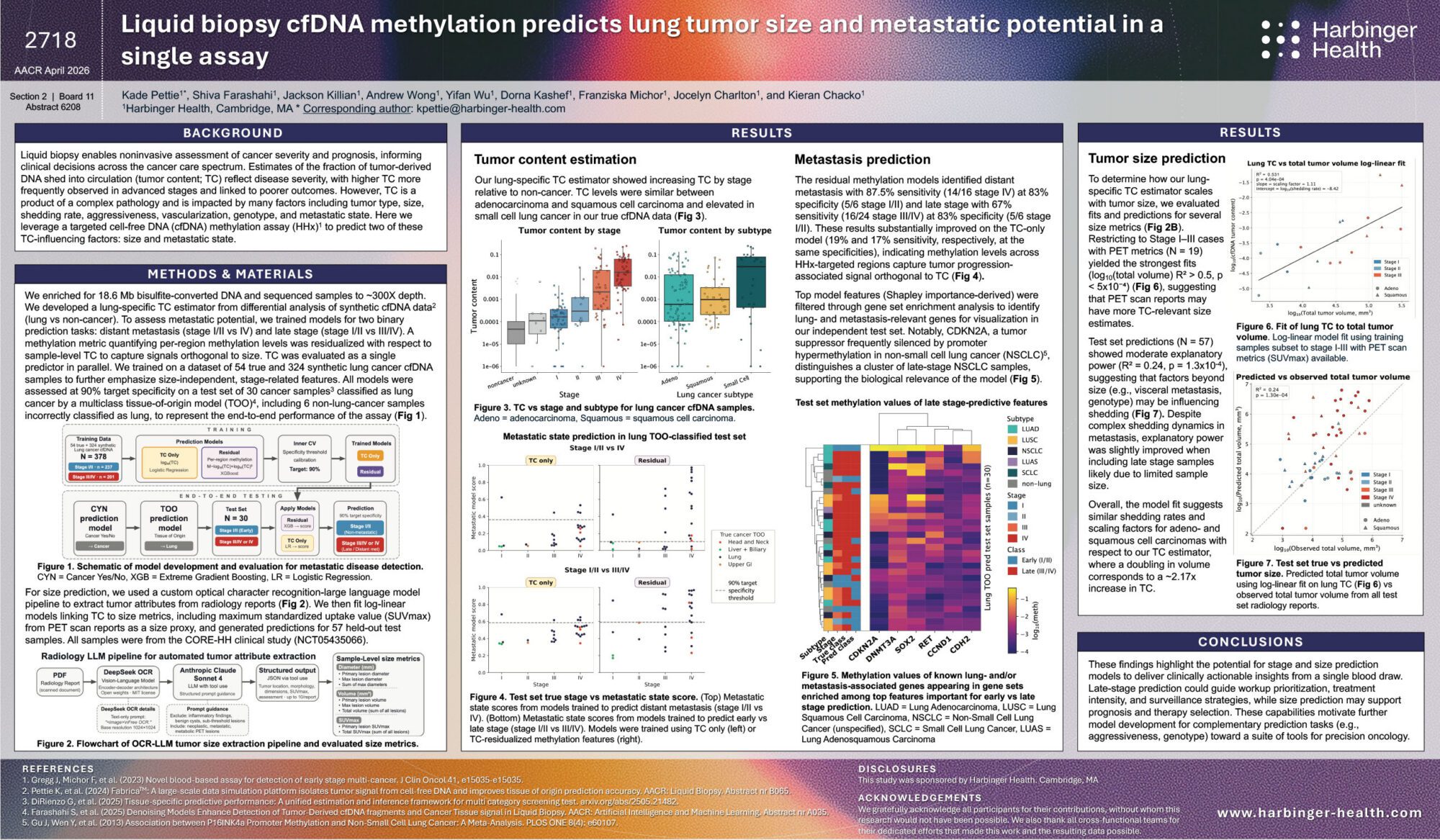
Liquid biopsy cfDNA methylation predicts lung tumor size and metastatic potential in a single assay

American Association for Cancer Research (AACR) Annual Meeting 2026

This study demonstrated use of a cell-free DNA methylation assay to predict lung tumor size and metastatic state, key factors influencing tumor DNA levels in blood. Results suggest that liquid biopsy can provide deeper insight into disease severity to enable more informed clinical decisions, such as treatment prioritization.

Read More

News & Insights

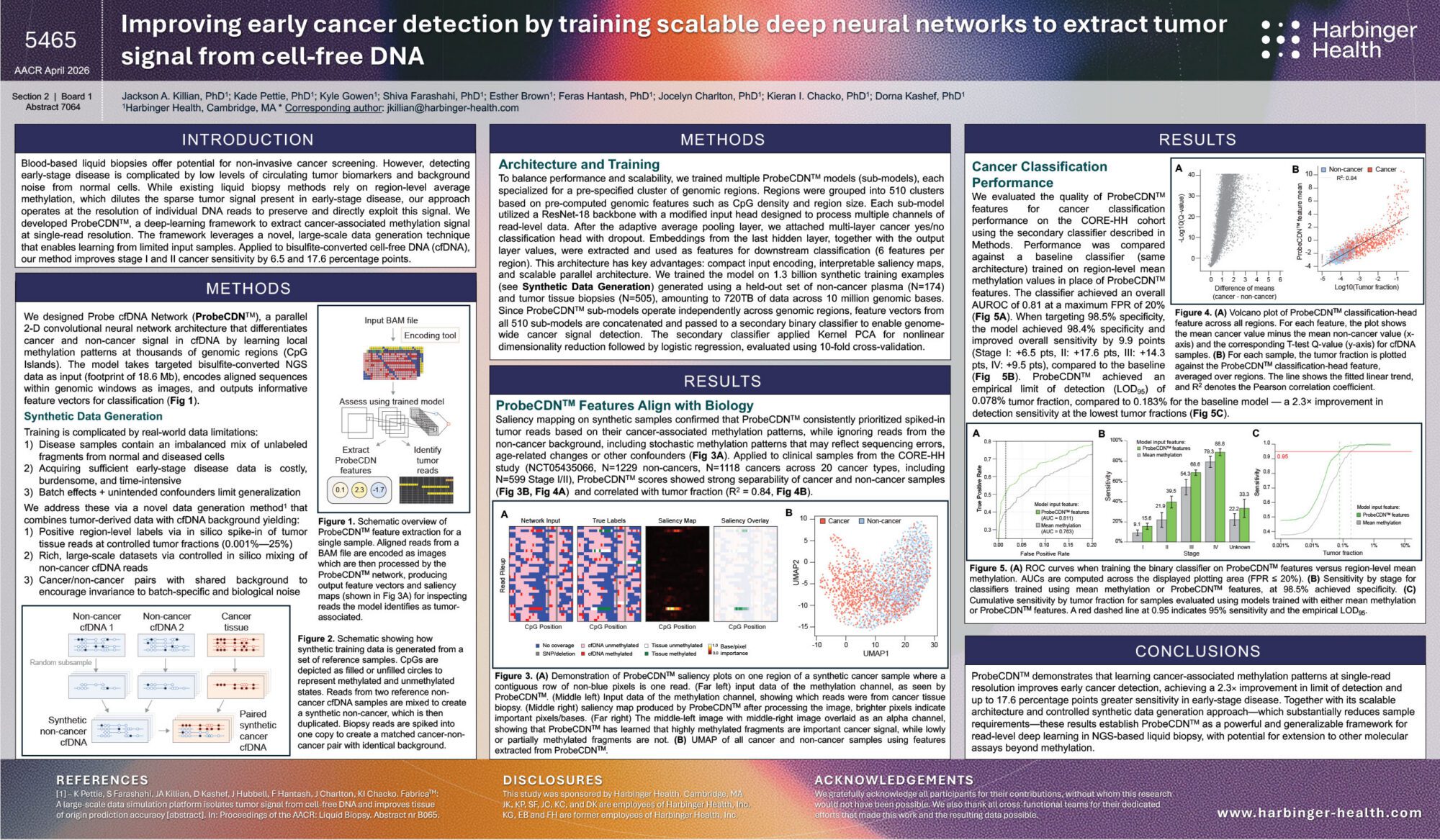
Improving early cancer detection by training scalable deep neural networks to extract tumor signal from cell-free DNA

American Association for Cancer Research (AACR) Annual Meeting 2026

ProbeCDN™ is a deep-learning framework that detects cancer by analyzing methylation patterns at the level of individual DNA reads, overcoming limitations of traditional methods that dilute early tumor signals. With significantly improved early-stage cancer detection sensitivity, this framework marks an important advance in more accurate, non-invasive cancer detection.

Read More

News & Insights

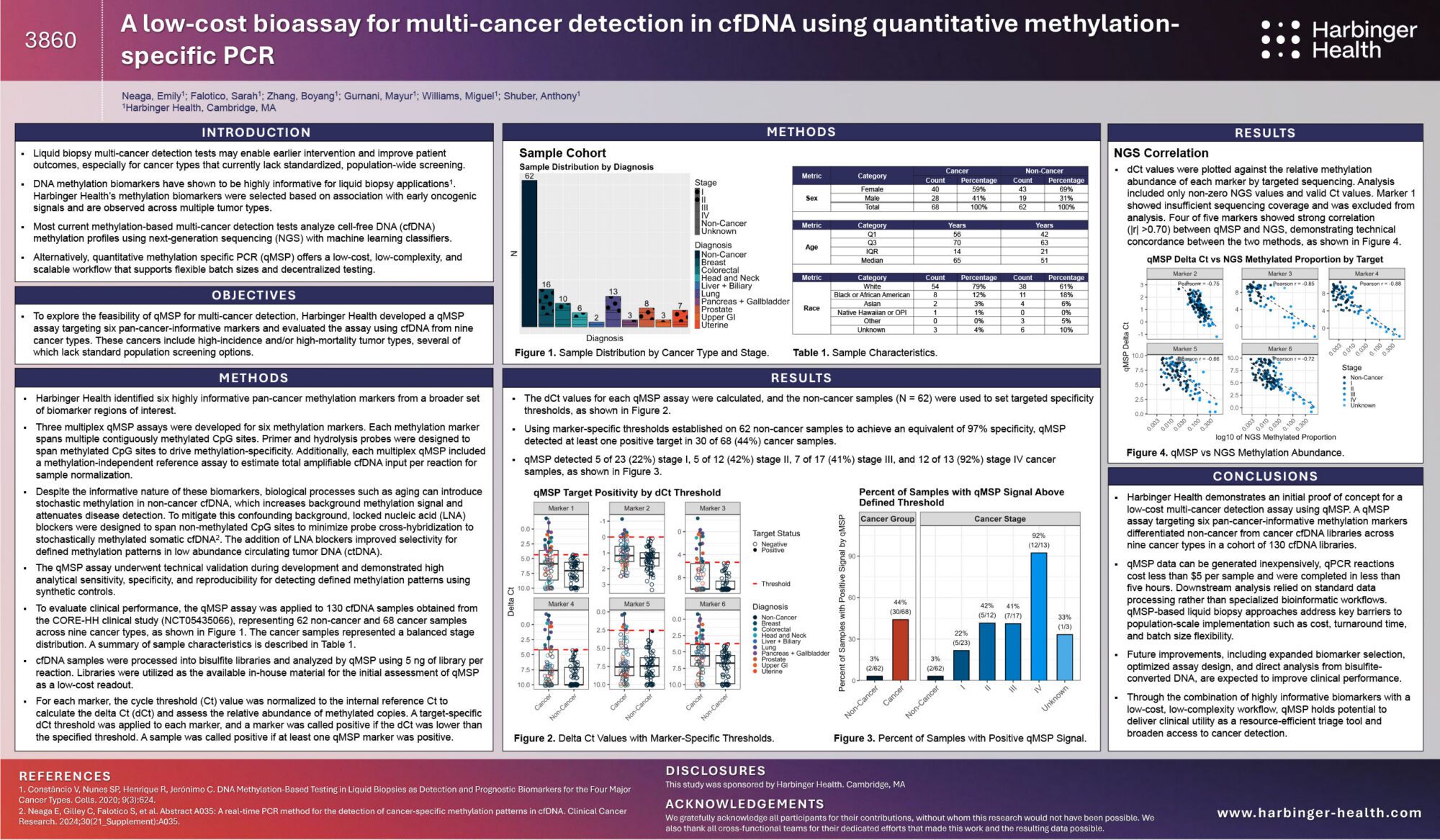
A low-cost bioassay for multi-cancer detection in cfDNA using quantitative methylation-specific PCR

American Association for Cancer Research (AACR) Annual Meeting 2026

This study evaluated a multi-cancer detection assay using quantitative methylation specific PCR (qMSP) that successfully distinguished cancer from non-cancer samples across nine cancer types. Through the combination of highly informative biomarkers with a low-cost, low-complexity workflow, qMSP holds potential to deliver clinical utility as a resource-efficient triage tool.

Read More

News & Insights

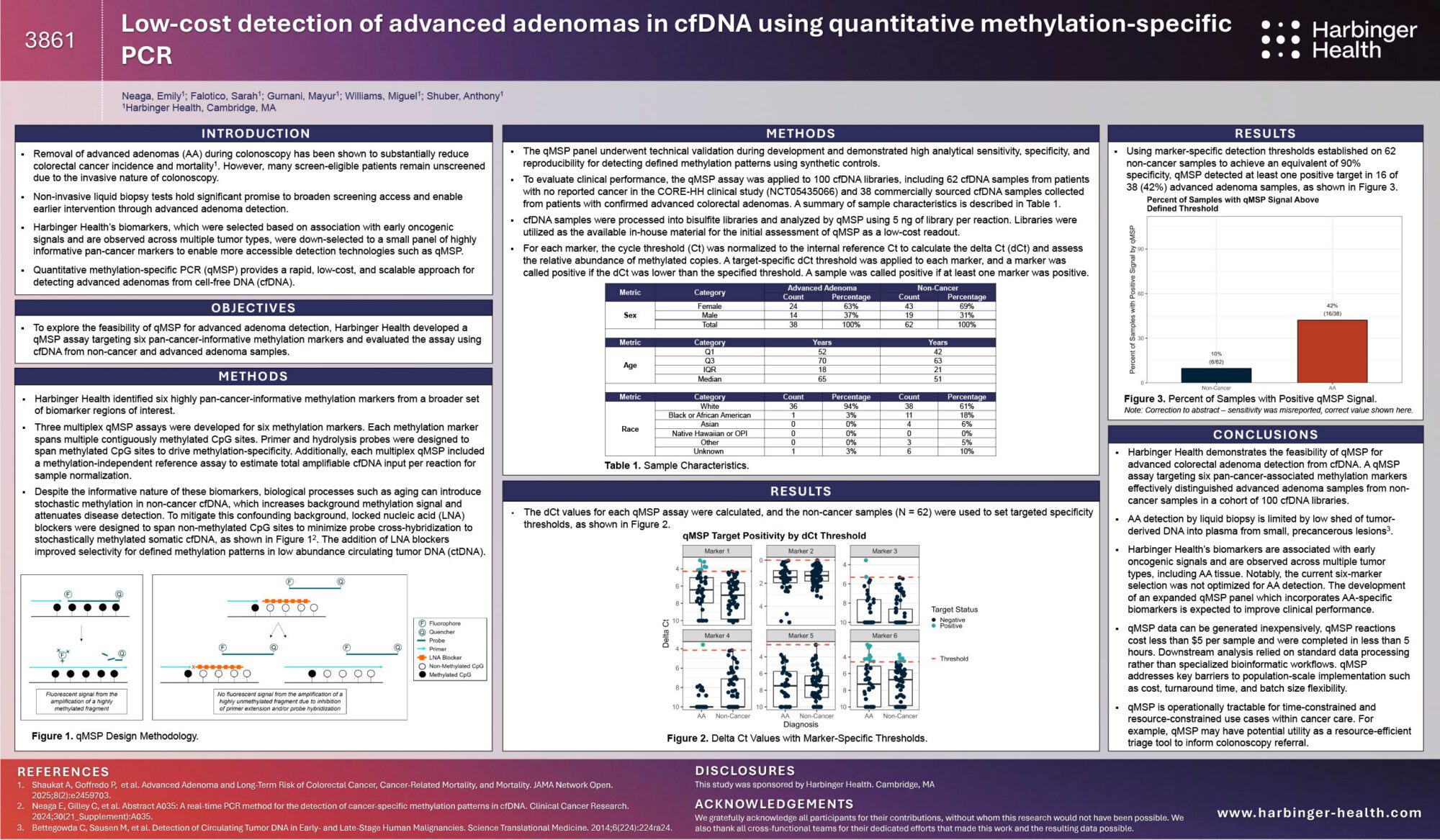
Low-cost detection of advanced adenomas in cfDNA using quantitative methylation-specific PCR

American Association for Cancer Research (AACR) Annual Meeting 2026

This study demonstrated a quantitative methylation specific PCR (qMSP) liquid biopsy assay that can detect advanced adenomas from cfDNA, despite the challenge of low tumor DNA shedding in precancerous colorectal lesions. This non-invasive, low-cost, low-complexity testing approach has clinical utility potential as a tool to triage colonoscopy referrals.

Read More

News & Insights

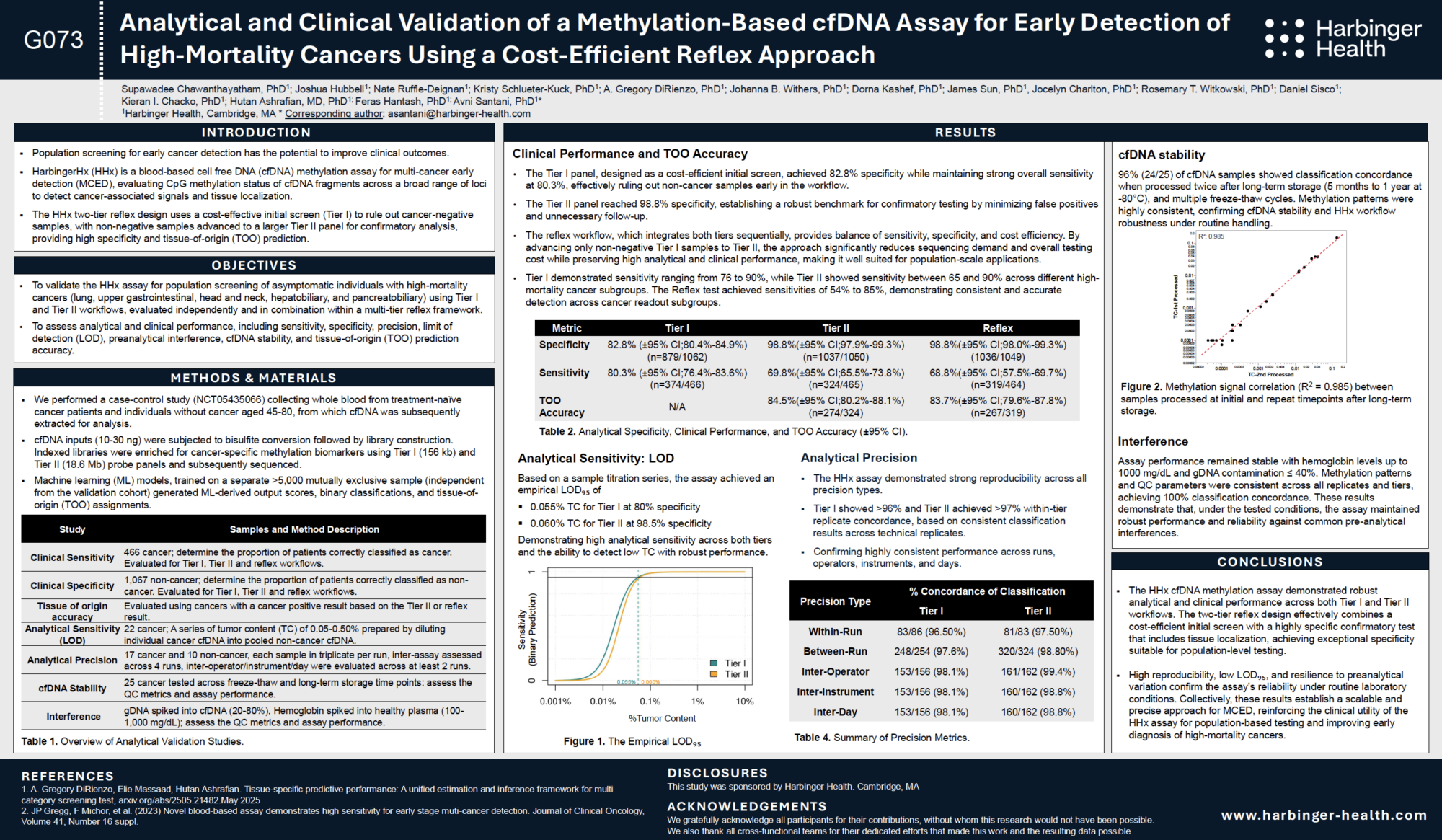
Analytical and Clinical Validation of a Methylation-Based cfDNA Assay for Early Detection of High-Mortality Cancers Using a Cost-Efficient Reflex Approach

AMP

This study demonstrates that Harbinger’s cfDNA methylation assay delivers robust analytical and clinical performance across a two-tier reflex workflow that combines cost-efficient screening with highly specific confirmation and tissue localization. This scalable and reliable MCED approach is well suited for population-based testing and enables earlier detection of high-mortality cancers.

Read More

News & Insights

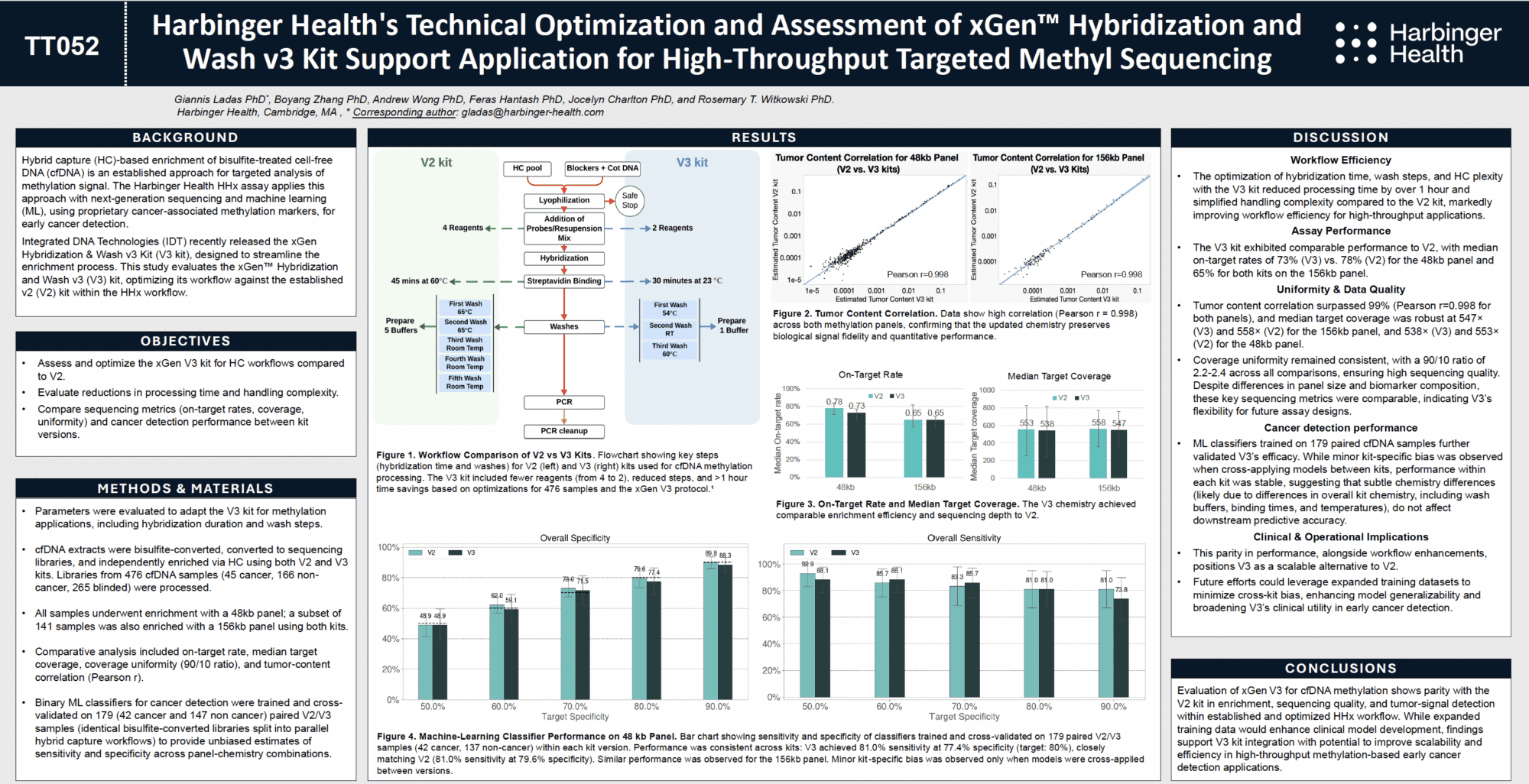
Harbinger Health’s Technical Optimization and Assessment of xGen Hybridization and Wash v3 Kit Support Application for High-Throughput Targeted Methyl Sequencing

AMP

This work evaluates the xGen Hybridization & Wash V3 kit from Integrated DNA Technologies (IDT) in the Harbinger Health assay. Results support integration of the V3 kit to improve scalability and efficiency for high-throughput, methylation-based early cancer detection without sacrificing data quality or tumor signal detection.

Read More

News & Insights

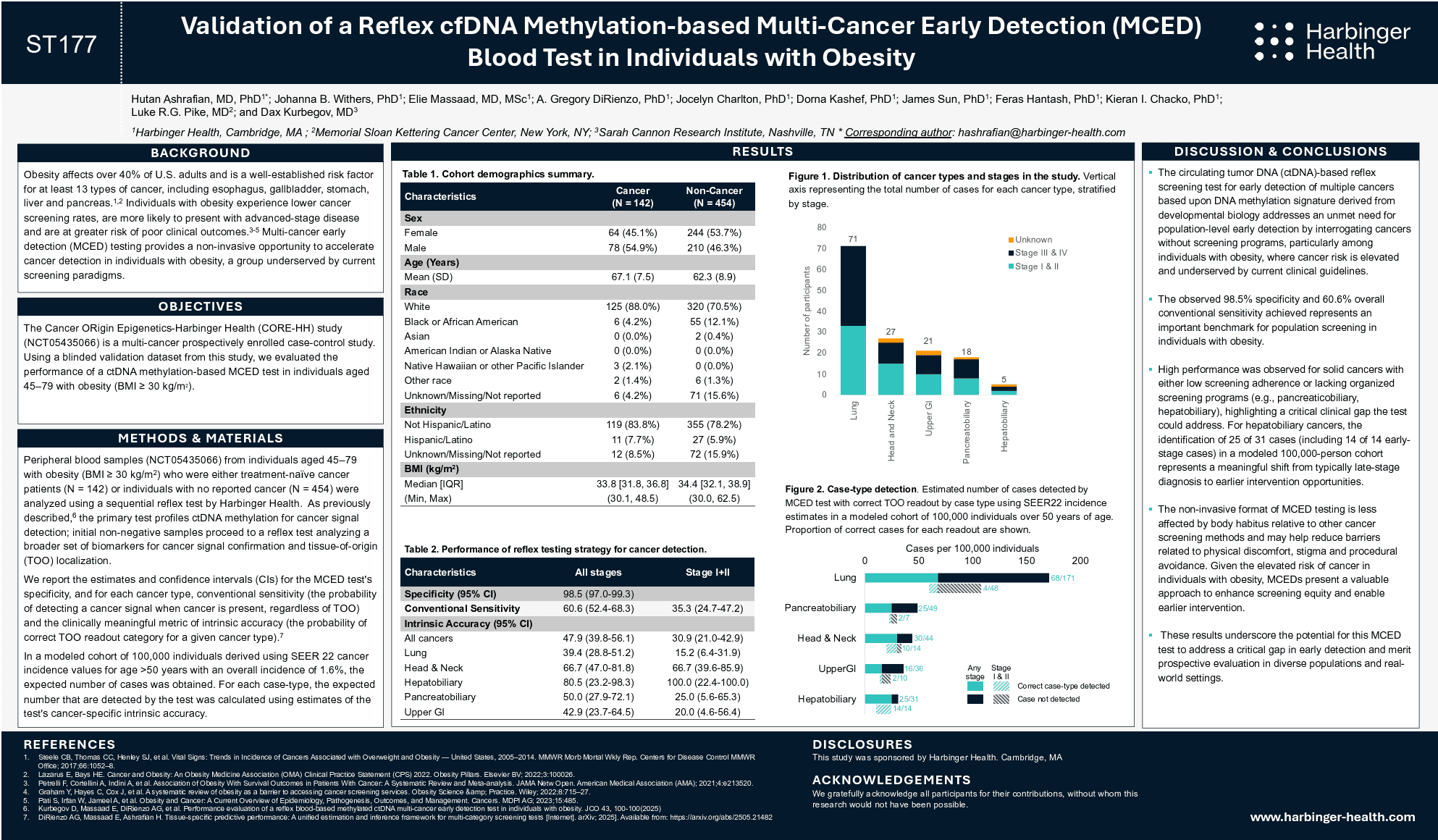
Validation of a Reflex cfDNA Methylation-based Multi-Cancer Early Detection (MCED) Blood Test in Individuals with Obesity

AMP

This work evaluates performance of Harbinger’s ctDNA-based multi-cancer early detection (MCED) test in obese individuals from Harbinger’s Cancer ORigin Epigenetics-Harbinger Health (CORE-HH) study. High performance for cancers that currently lack screening options suggest the potential for a non-invasive, equitable screening approach that could enable earlier cancer detection and intervention in underserved populations.

Read More

News & Insights

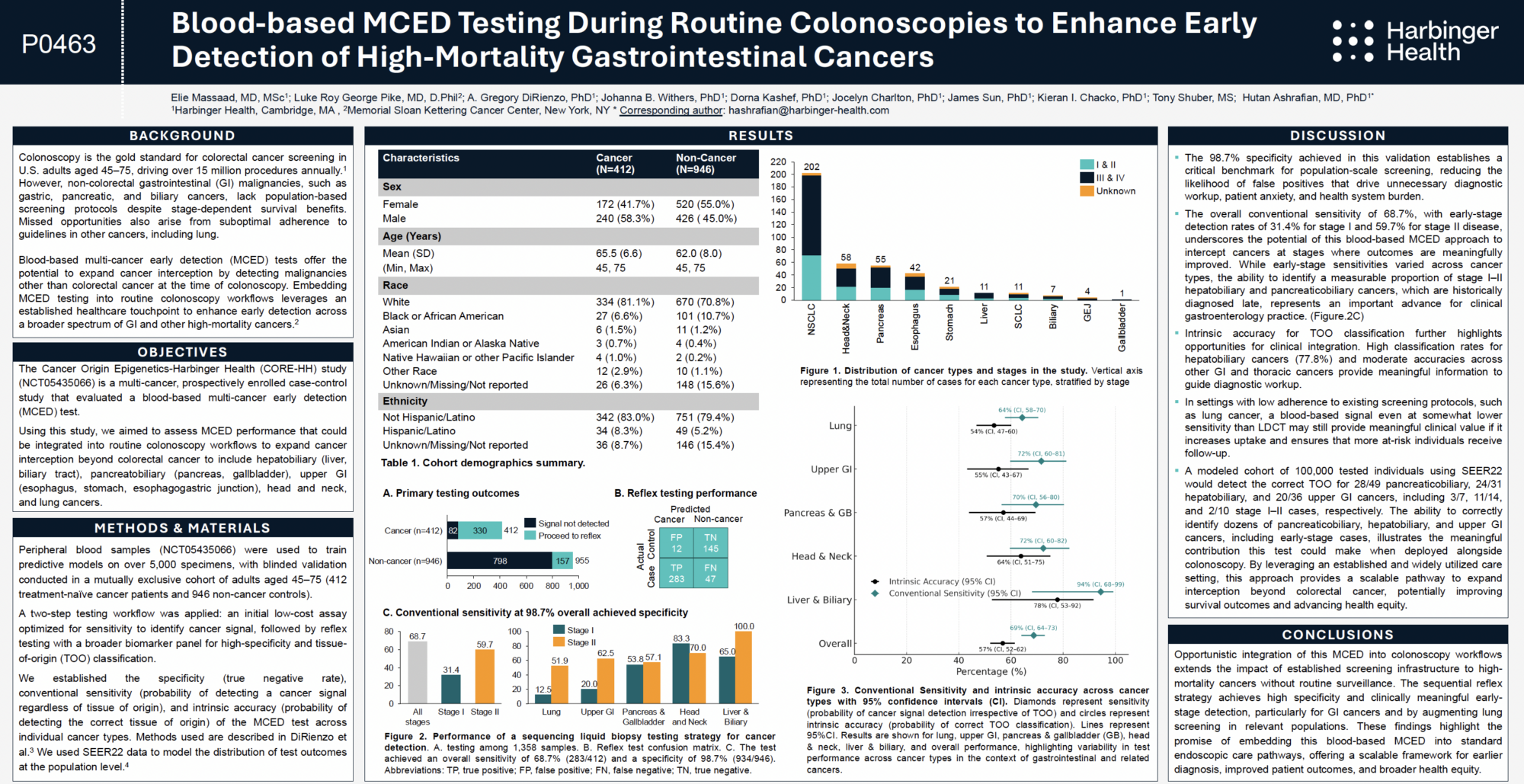
Blood-based MCED Testing During Routine Colonoscopies to Enhance Early Detection of High-Mortality Gastrointestinal Cancers

ACG

This work evaluates performance of a reflex cfDNA methylation–based MCED assay through Harbinger’s Cancer Origin Epigenetics–Harbinger Health (CORE-HH) study to evaluate the integration of the test into routine colonoscopy workflows. Results suggest the potential for this assay to expand cancer interception beyond colorectal cancer when adminstered alongside colonocopies and enable early detection of other high-mortality cancers, particularly for GI and lung cancers.

Read More