News & Insights

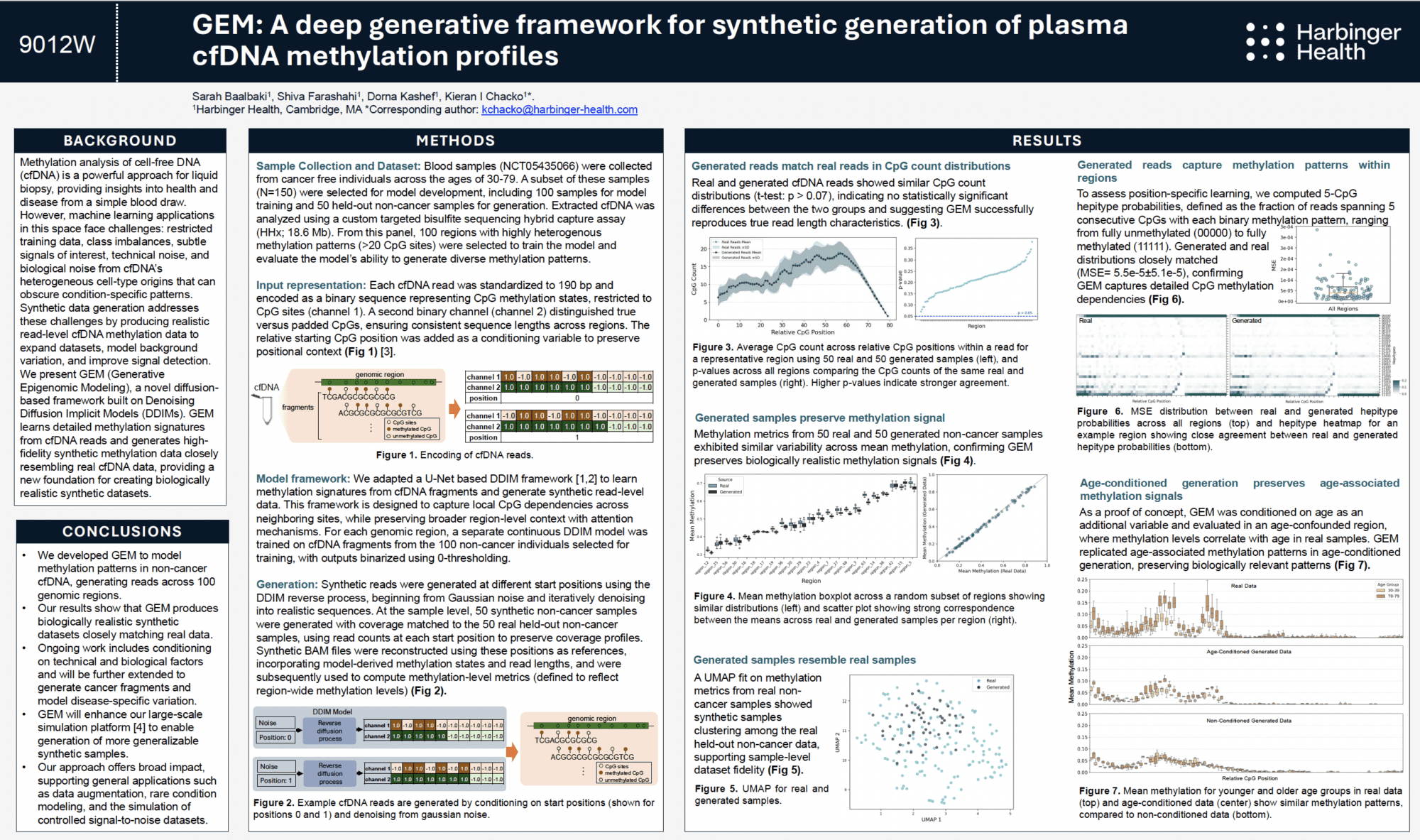
GEM: A deep generative framework for synthetic generation of plasma cfDNA methylation profiles

ASHG

This work introduces Generative Epigenomic Modeling (GEM), a model for generating biologically realistic synthetic cfDNA methylation data, addressing the need for scalable, high-fidelity datasets to support data augmentation, rare condition modeling, and the simulation of controlled signal-to-noise datasets, among other applications.

Read More

News & Insights

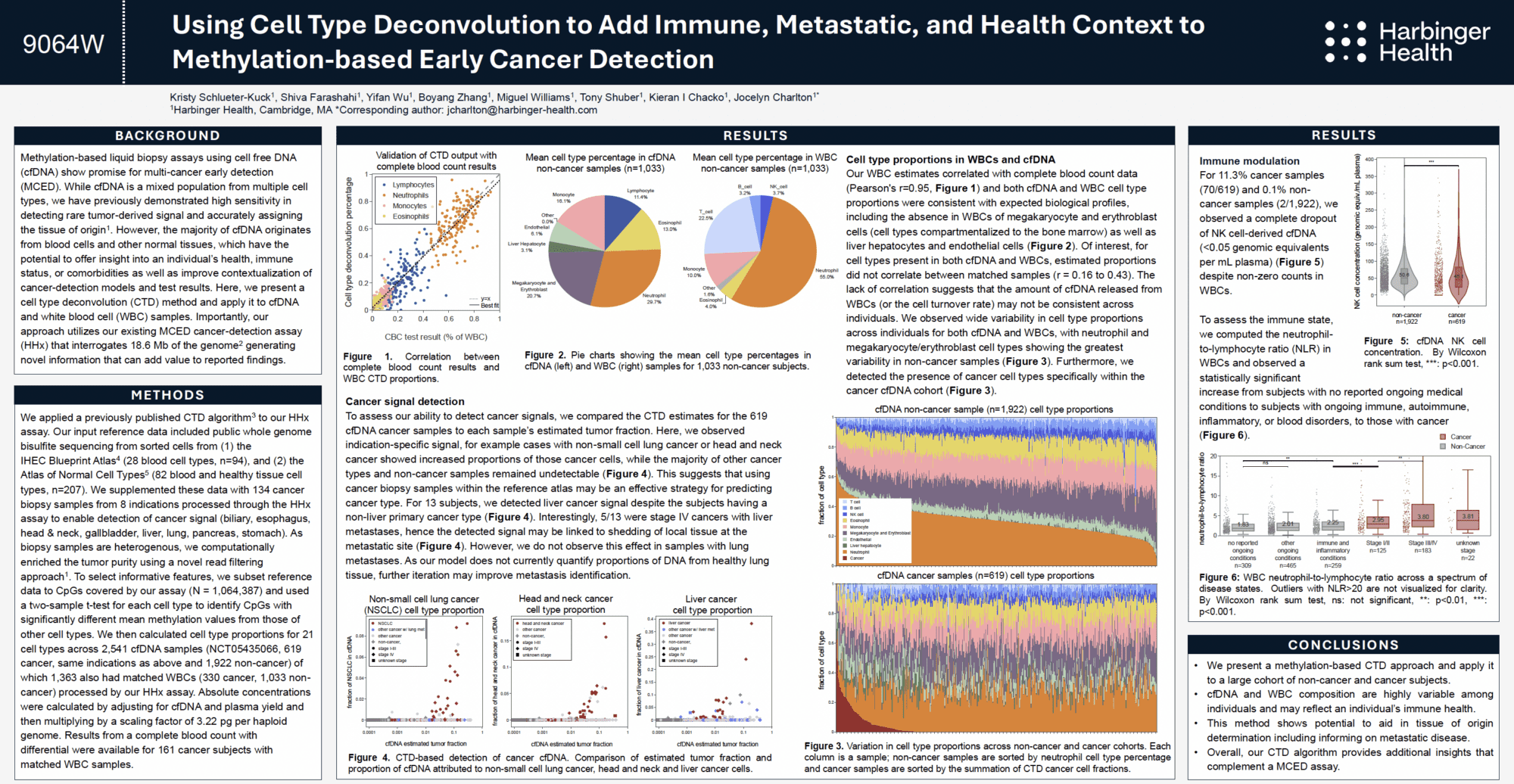
Using Cell Type Deconvolution to Add Immune, Metastatic, and Health Context toMethylation-based Early Cancer Detection

ASHG

The study introduced a methylation-based cell type deconvolution method that analyzes cfDNA and WBC composition to reflect individual immune health and improve tissue-of-origin determination. This approach enhances and complements multi-cancer early detection (MCED) assays by providing deeper biological context for cancer detection and classification.

Read More

News & Insights

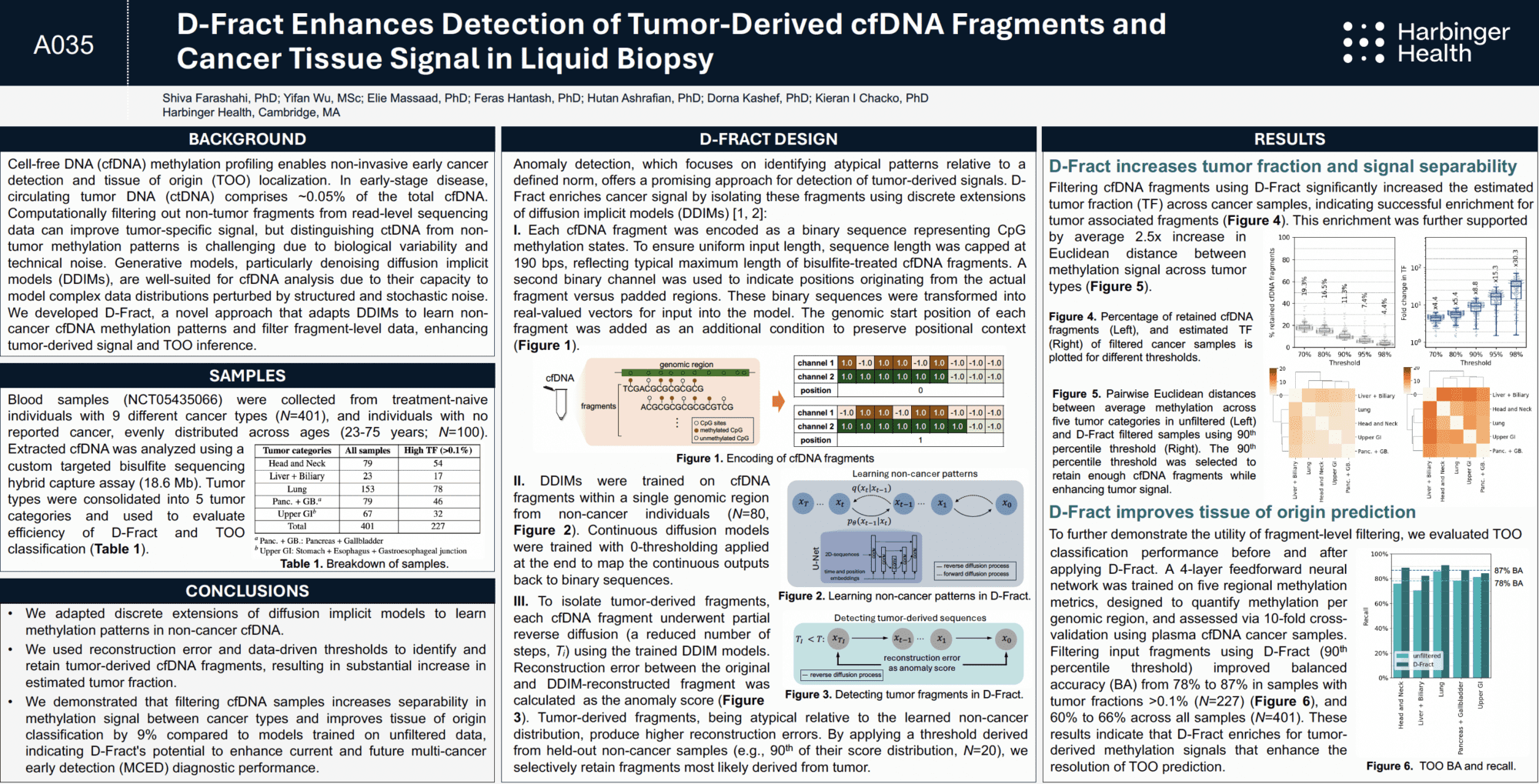
D-Fract Enhances Detection of Tumor-Derived cfDNA Fragments and Cancer Tissue Signal in Liquid Biopsy

AACR special Conference in cancer research: AI/ML

The study introduced D-Fract, a diffusion-based model that filters cfDNA to better detect tumor-derived fragments. This approach significantly increased the estimated tumor fraction and improved tissue-of-origin classification accuracy by 9%, highlighting its potential to boost the performance of multi-cancer early detection (MCED) diagnostics.

Read More

News & Insights

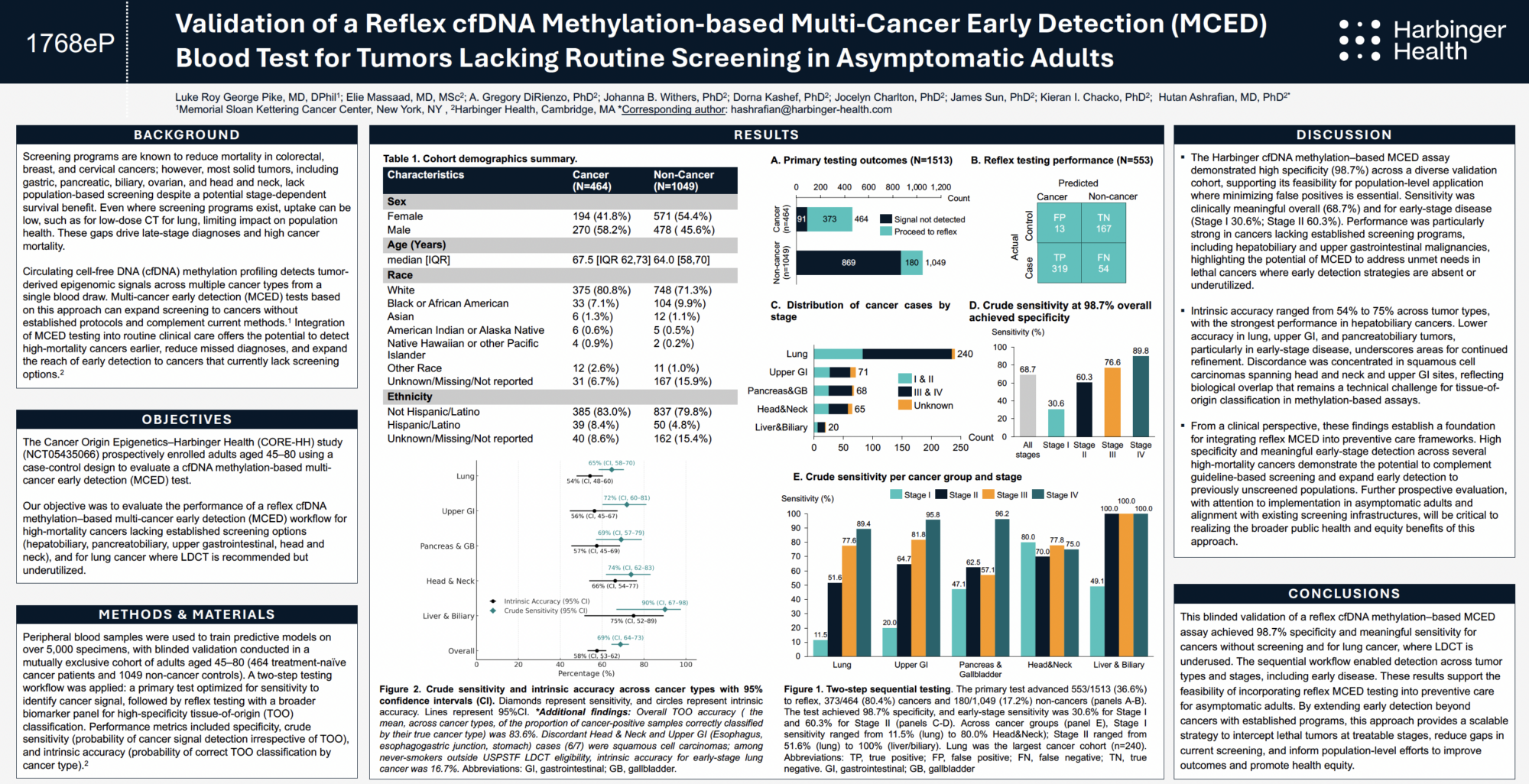
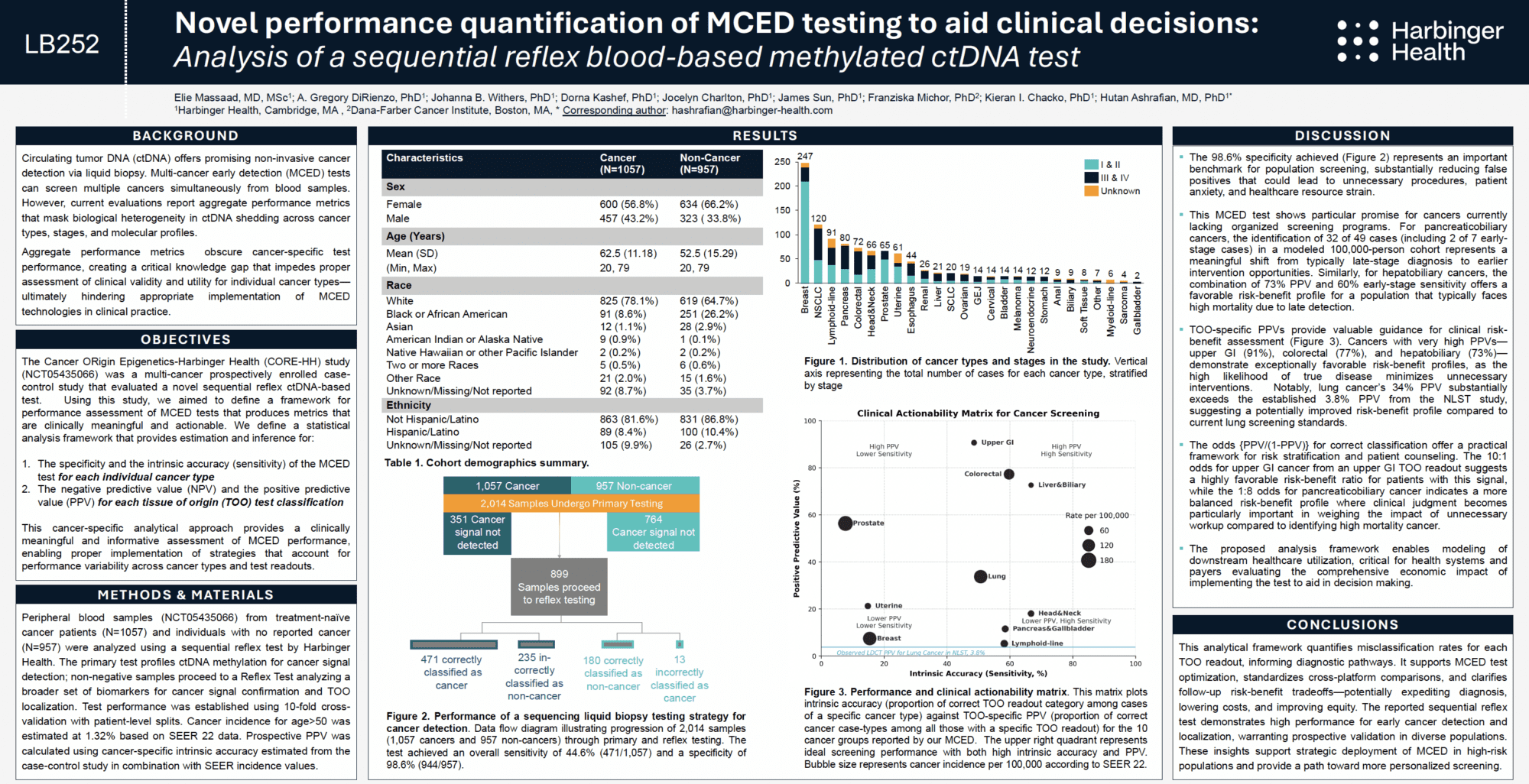
Novel performance quantification of MCED testing to aid clinical decisions: Analysis of a sequential reflex blood-based methylated ctDNA test

AACR Annual Meeting

This study demonstrated a cancer-specific stastical analysis framework to evaluate performance of a reflex cfDNA methylation–based MCED assay through Harbinger’s Cancer Origin Epigenetics–Harbinger Health (CORE-HH) study.

Read More

News & Insights

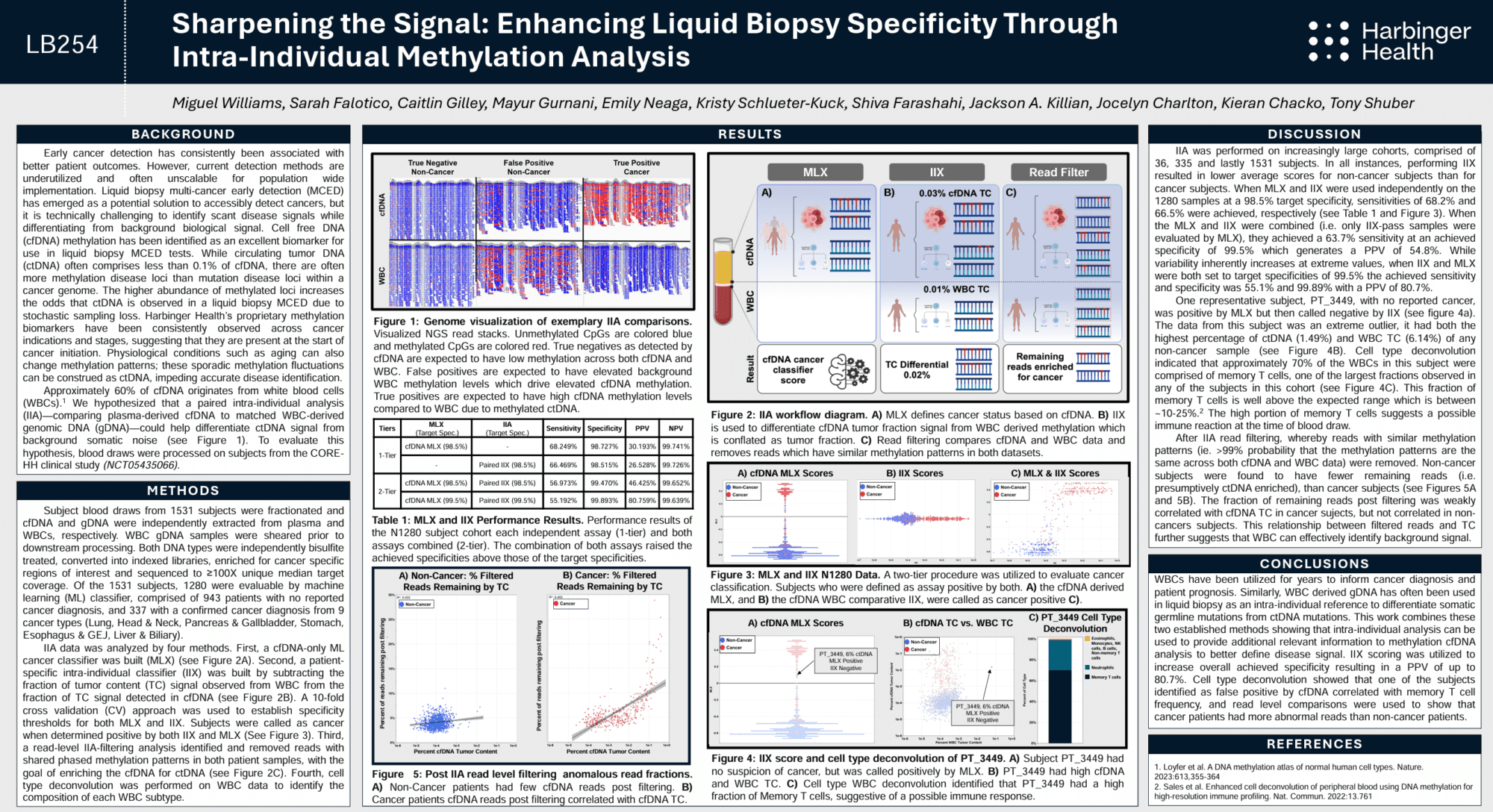
Sharpening the Signal: Enhancing Liquid Biopsy Specificity Through Intra-Individual Methylation Analysis

AACR Annual Meeting

This study evaluated a method using a paired intra-individual analysis (IIA)—comparing plasma-derived cfDNA to matched WBC-derived genomic DNA (gDNA)—to help differentiate ctDNA signal from background somatic noise and thereby improve disease characterization.

Read More

News & Insights

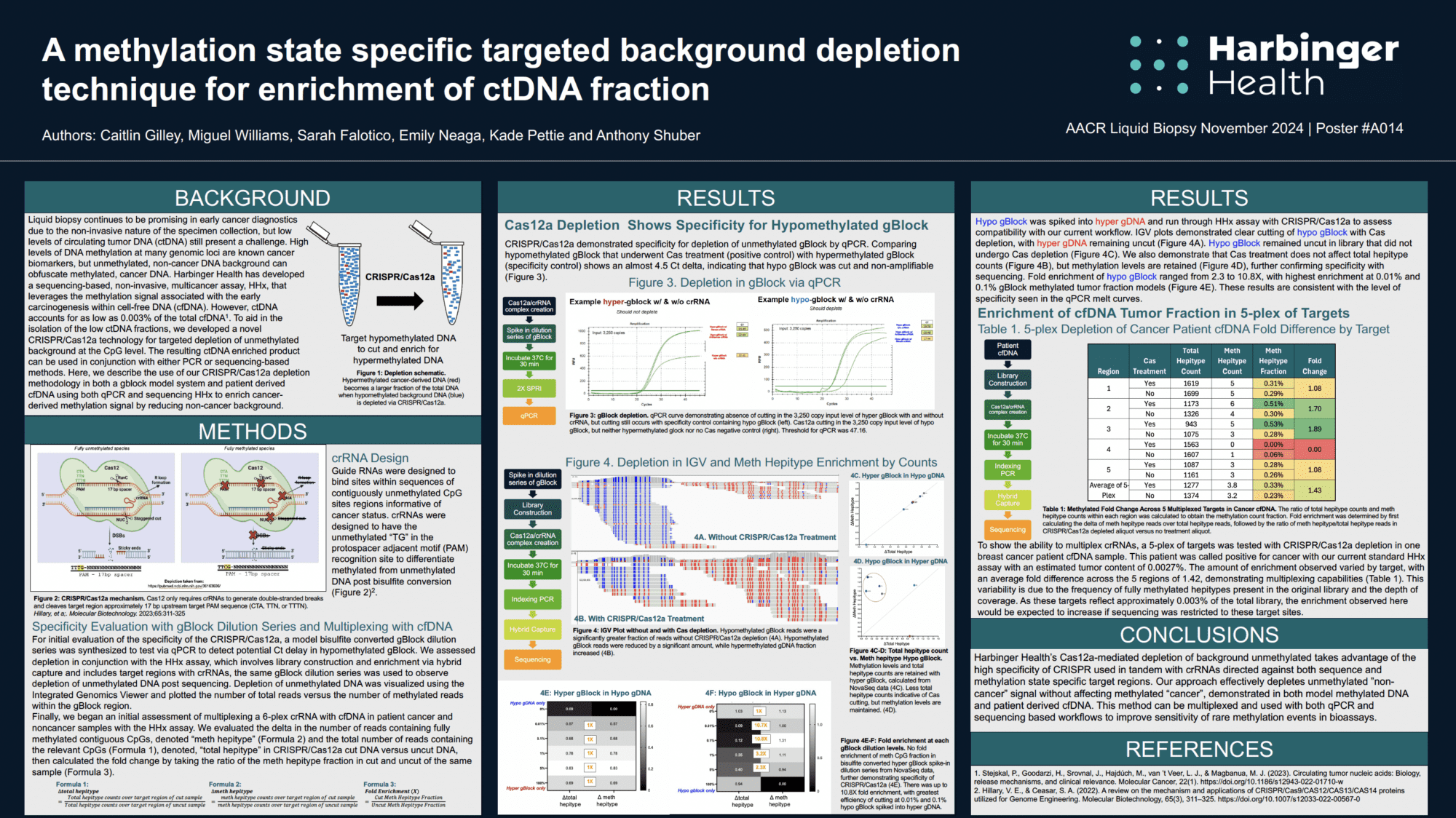
A methylation state specific targeted background depletion technique for enrichment of ctDNA fraction

AACR Special Conference in Cancer Research: Liquid Biopsy

The study demonstrated a CRISPR/Cas12a technology that selectively removes unmethylated “non-cancer” DNA while preserving methylated “cancer” signals, enhancing detection accuracy. This multiplexable method improves the sensitivity of rare methylation event detection in both qPCR and sequencing assays.

Read More

News & Insights

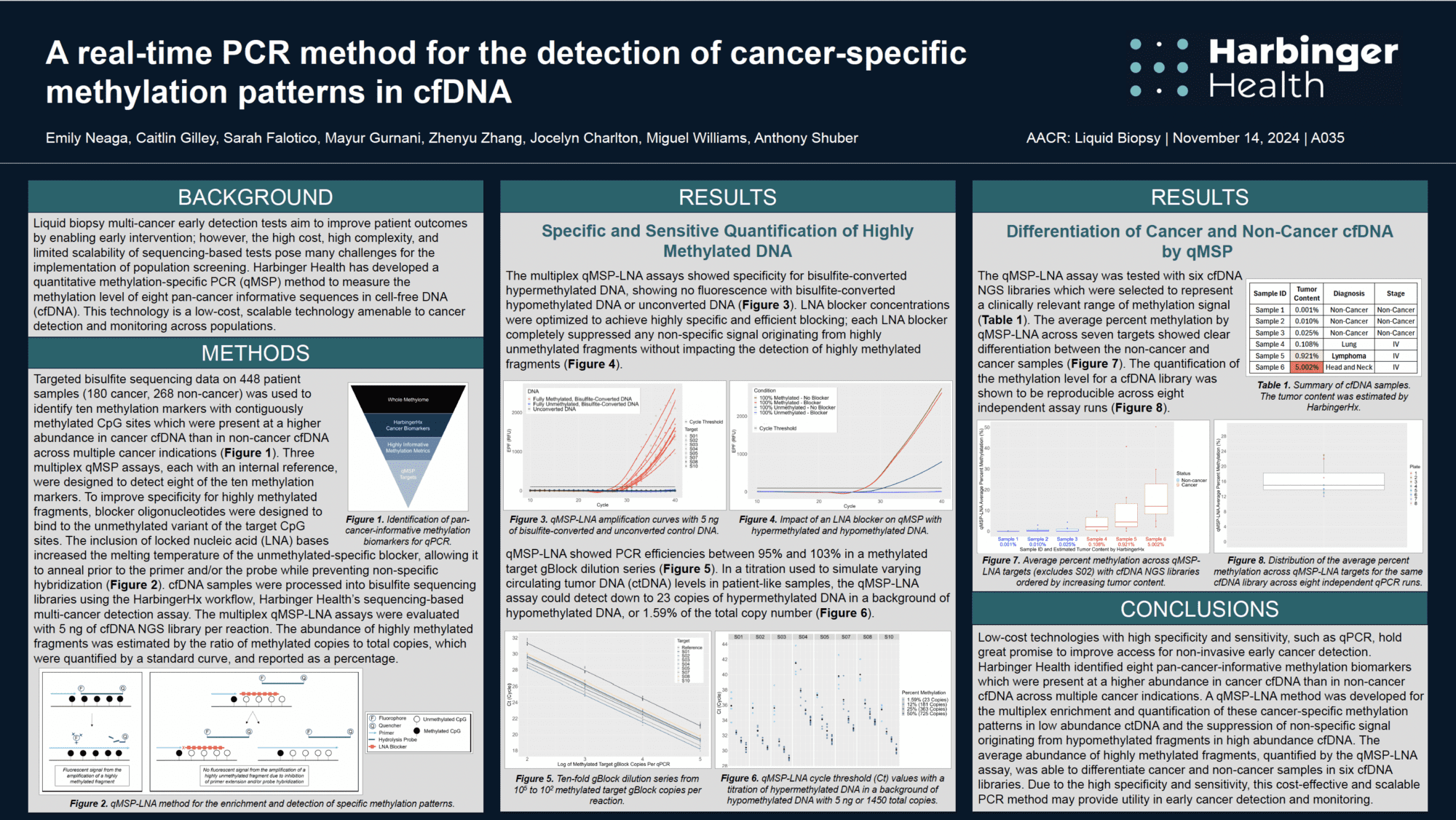
A real-time PCR method for the detection of cancer-specific methylation patterns in cfDNA

AACR Special Conference in Cancer Research: Liquid Biopsy

This work evaluated a quantitative methylation-specific PCR (qPCR) method with locked nucleic acid (LNA) bases to detect pan-cancer methylation biomarkers, supporting use of this method as a cost-effective and scalable solution for early cancer detection.

Read More

News & Insights

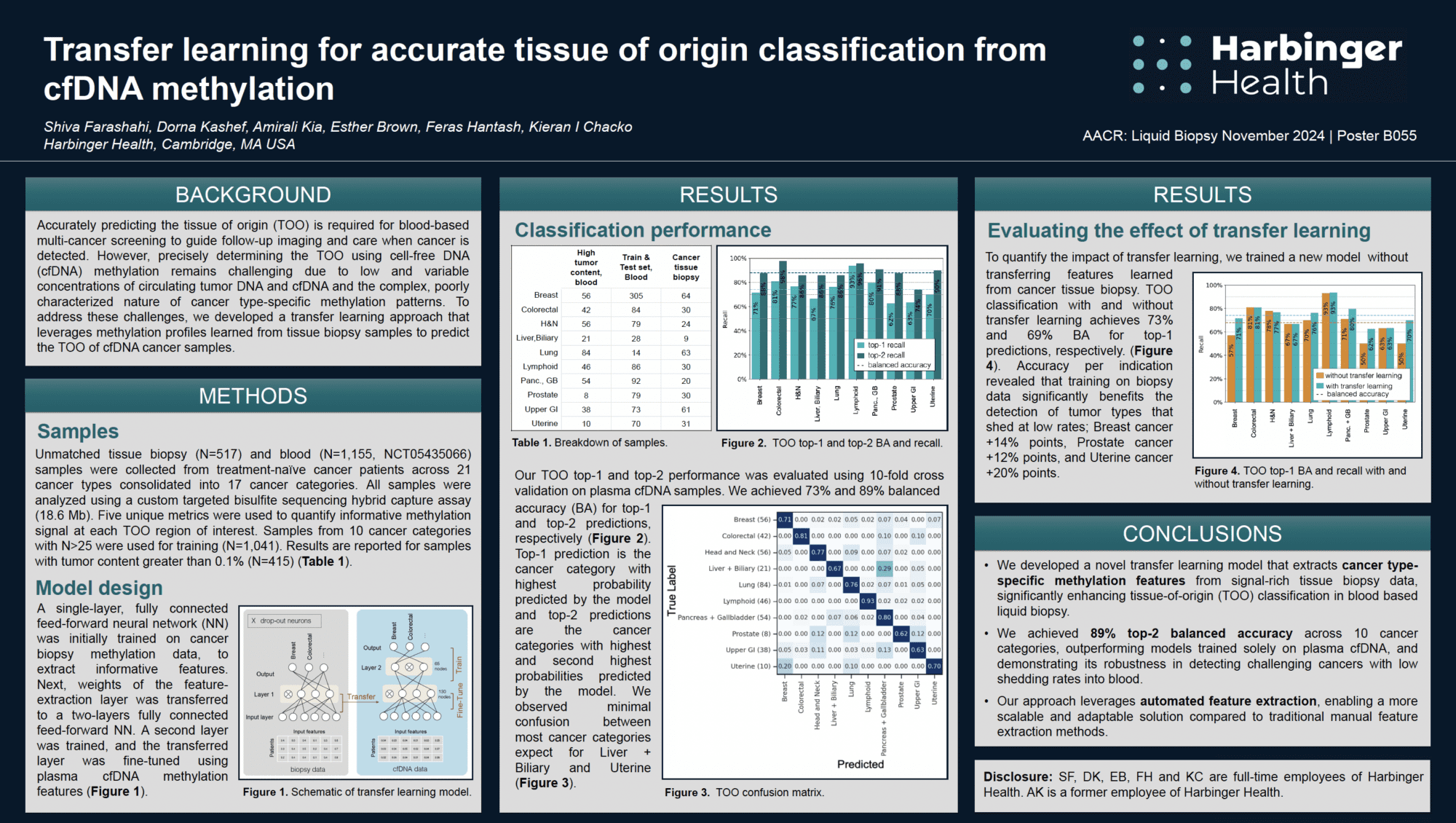
Transfer learning for accurate tissue of origin classification from cfDNA methylation 

AACR Special Conference in Cancer Research: Liquid Biopsy

This study demonstrated a transfer learning model that uses tissue biopsy methylation data to improve tissue-of-origin classification in blood-based liquid biopsies, supporting a scalable and adaptable diagnostic solution for early cancer detection.

Read More

News & Insights

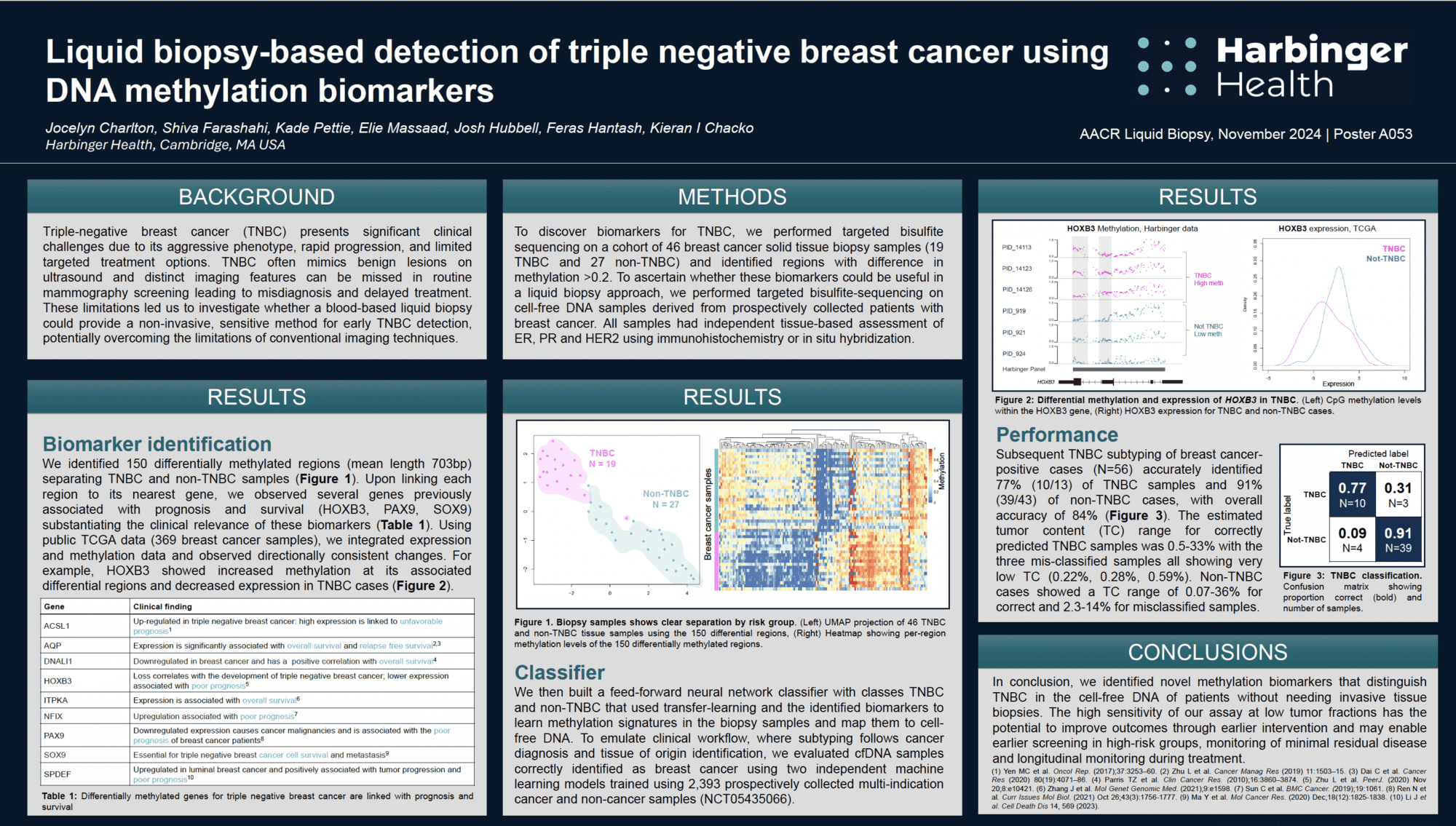
Liquid biopsy-based detection of triple negative breast cancer at 0.5% tumor content using DNA methylation biomarkers

AACR Special Conference in Cancer Research: Liquid Biopsy

This study discovered novel methylation biomarkers in cell-free DNA that were used to accurately detect triple-negative breast cancer through Harbinger’s assay. High sensitivity at low tumor fractions suggests the potential for improved patient outcomes through early cancer detection.

Read More

News & Insights

A large-scale data simulation platform isolates tumor signal from cell-free DNA and improves tissue of origin prediction accuracy.


AACR Special Conference in Cancer Research: Liquid Biopsy

The study introduced a cfDNA simulation platform that generates balanced training data for machine learning models to detect tumor-specific biomarkers free from demographic and technical biases. By correcting for factors like age, sex, and ethnicity, this adaptable approach enhances diagnostic accuracy and can be extended to other diseases and biofluids, broadening its impact beyond cancer detection.

Read more